

7 Problems Motorized Screens Solve That Manual Screens Can’t
If you’ve ever wrestled with a stubborn manual screen on a sweltering summer afternoon or watched your elderly parent struggle to reach a high window covering, you know the frustration firsthand. Traditional manual screens have served homeowners for decades, but they come with limitations that become more apparent with each passing year.
Motorized screens represent a fundamental shift in how we interact with our outdoor and indoor spaces. They’re not just a luxury upgrade—they solve real, everyday problems that manual screens simply can’t address. From accessibility challenges to energy waste, the gap between manual and motorized systems is wider than most homeowners realize.
Let’s examine seven specific problems that motorized screens eliminate, along with the tangible benefits you’ll experience after making the switch.
Problem 1: Physical Strain and Accessibility Barriers
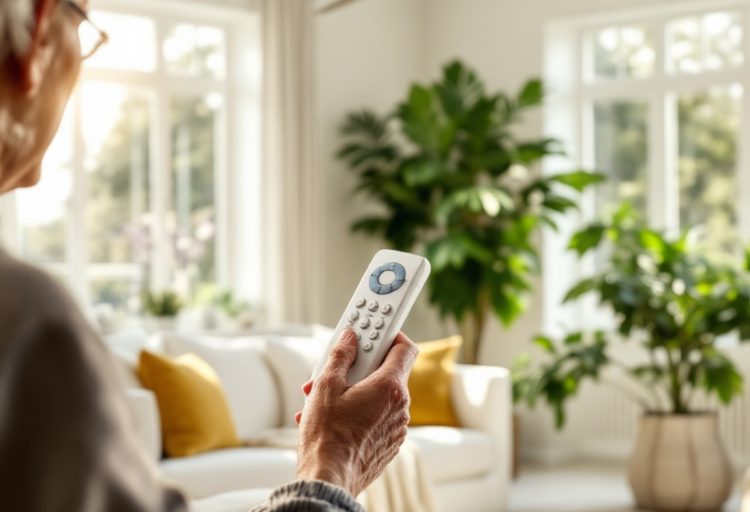
Manual screens require physical effort that many homeowners can’t provide. Pulling down a 16-foot garage screen or reaching overhead windows demands strength, mobility, and balance that not everyone possesses.
The weight factor alone creates significant challenges. Large manual screens can weigh 30 pounds or more, requiring you to reach up, pull evenly, and secure multiple locking points. For someone with arthritis, recovering from surgery, or dealing with age-related mobility limitations, this task becomes impossible rather than inconvenient.
Motorized screens eliminate these barriers entirely. A button press deploys or retracts any size screen regardless of your physical capabilities. This isn’t just about convenience—it’s about independence. Elderly homeowners can control their spaces without assistance. People with disabilities maintain full access to natural ventilation and outdoor areas. Parents with young children in arms can adjust screens without setting down their kids.
The accessibility advantage extends beyond obvious mobility issues. Pregnant women, people recovering from injuries, and anyone experiencing temporary physical limitations benefit from motorized operation. You’ll use your screens consistently when operation doesn’t require physical exertion, maximizing your investment.
Smart home integration takes accessibility further. Voice commands through Alexa or Google Assistant mean zero physical interaction. Scheduled automation ensures screens adjust automatically at optimal times without anyone remembering to do it manually.
Problem 2: Hard-to-Reach Installation Locations
Cathedral ceilings, second-story windows, skylights, and screens mounted above doorways present obvious operational challenges with manual systems. You’re left with three equally unsatisfying options: climb a ladder every time you need adjustment, install permanent ladders or stools nearby, or simply never adjust those screens after installation.
The ladder solution creates safety hazards. Falls from ladders send thousands of Americans to emergency rooms annually. Keeping a step stool or ladder in your living space for window access compromises your décor and creates trip hazards. Most homeowners faced with difficult-to-reach manual screens choose option three—they set it once and live with whatever position they chose, eliminating the flexibility that screens should provide.
Motorized screens transform these impossible locations into fully functional installations. Your 20-foot ceiling screens adjust as easily as standard-height ones. Multiple second-story windows can be controlled individually or synchronized from a single remote. Screens positioned above French doors or in tight spaces operate without physical access.
This capability opens up design possibilities that manual screens make impractical. You can install screens on every high window for maximum energy efficiency without worrying about operation. Spaces with limited floor access become viable screen locations. Architectural features that would complicate manual screen use no longer factor into your decision.
Problem 3: Inconsistent Operation and Premature Wear
Manual screens rely entirely on human operation, introducing variability that accelerates wear and reduces lifespan. Each time someone pulls down a manual screen, they apply different force, speed, and tension. This inconsistency causes several compounding problems.
Uneven tension represents the primary durability challenge. When you manually lower a screen, achieving perfectly even tension across a 15-foot width is nearly impossible. One side inevitably pulls tighter than the other, creating stress points in the fabric and hardware. Over months and years, this uneven stress causes the screen material to stretch, sag, or tear at specific points rather than aging uniformly.
Manual operation also invites abrupt movements that damage components. People yank screens down quickly, release them too fast, or let them slam into housing units. These repeated impacts stress motors, springs, and mounting points beyond their design specifications. The rolling mechanism can develop waves or distortions from inconsistent winding.
Motorized screens eliminate human error from the equation. The motor applies consistent, controlled force every single time. Screens lower and retract at the same speed with identical tension distribution. This predictability means components wear evenly and last significantly longer.
The weighted bottom bar in motorized systems maintains constant tension during operation, preventing the sagging common in manual screens. Side tracks guide the screen perfectly straight, eliminating the binding and misalignment that manual users often cause by pulling at angles. The overall result is screens that maintain factory specifications for years rather than degrading within months.
Problem 4: Weather Response Delays and Damage Risk
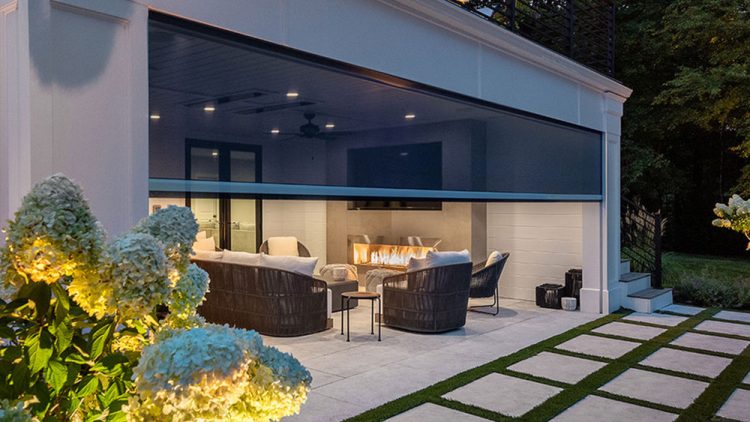
Weather changes fast. A sudden rainstorm, unexpected temperature spike, or wind gust can damage outdoor furniture, overheat indoor spaces, or blow debris into open areas before you even realize conditions have shifted. Manual screens can’t respond to these rapid changes unless someone happens to be home, paying attention, and willing to immediately adjust them.
This lag between weather events and human response causes several expensive problems. UV radiation damages furniture fabrics, fades flooring, and degrades artwork during the hours your screens remain open while you’re at work. Summer heat builds in enclosed porches when afternoon sun hits unexpectedly early. Wind-blown rain soaks patio furniture because no one was home to lower protective screens.
The cost isn’t just financial. Coming home to sun-damaged furniture or a flooded patio creates frustration that compounds with each occurrence. You invested in screens specifically to prevent these problems, but manual operation limits their protective value to times when someone actively manages them.
Motorized screens with smart sensors solve this response gap completely. Integrated sun sensors detect UV intensity and automatically lower screens when radiation reaches preset thresholds. This happens whether you’re home or across the country, protecting your investment 24/7.
Wind sensors prevent damage from both directions. Screens automatically retract before dangerous gusts arrive that could tear fabric or damage hardware. They can also deploy when gentle breezes make outdoor spaces comfortable, maximizing usable time without manual intervention.
Temperature-based automation adjusts screens based on outdoor conditions and your preferences. Morning deployment blocks heat before it builds. Evening retraction captures cooling breezes. Time-based scheduling handles predictable daily patterns—screens lower during typical afternoon heat and raise for morning light without anyone thinking about it.
Smart home integration adds weather forecast awareness. Systems can check local conditions and adjust screens proactively. Expecting strong storms tonight? Screens retract automatically. Heat wave predicted tomorrow? Screens deploy at sunrise to maximize cooling efficiency.
Problem 5: Energy Waste From Inconsistent Use
Manual screens deliver maximum energy savings only when deployed at optimal times. The problem? Human behavior rarely aligns with optimal energy efficiency. We forget to lower screens before peak heat, delay raising them when temperatures drop, or leave them in one position for days because adjustment feels like a chore.
This behavioral reality creates measurable energy waste. Studies show properly deployed screens can reduce cooling costs by 25-30%, but only if they’re actually used correctly. Manual screens that remain retracted during peak heat hours provide zero energy benefit despite being installed. Screens left deployed all day block beneficial natural light and passive solar heating when outdoor temperatures drop, increasing lighting and heating costs unnecessarily.
The inconsistency problem compounds when multiple people control the same screens. One family member lowers them religiously while another never remembers. Vacation homes sit empty with screens in whatever position they were last used. Large homes with many windows make consistent manual management practically impossible—who has time to adjust ten different screens twice daily?
Motorized screens eliminate the human behavior variable through automation. Programmed schedules ensure screens deploy and retract at the scientifically optimal times for your climate and sun exposure. You’ll capture maximum energy savings without thinking about it daily.
The energy impact is significant and measurable. Solar screens can block up to 90% of UV rays and solar heat before they enter your home. When properly automated to deploy during peak heat hours, homes in hot climates report cooling cost reductions of 25-30% during summer months. The same screens retract during cooler hours to allow natural warmth, reducing heating needs.
The Department of Energy confirms that about 76% of sunlight hitting standard double-pane windows becomes heat inside the home. Motorized screens intercept this heat transfer before it begins, keeping adjacent rooms cooler without air conditioning. The insulating air pocket created between screen and window reduces heat transfer by up to 30%.
These aren’t theoretical savings—they’re monthly bill reductions you’ll notice immediately. A home spending $200 monthly on summer cooling could save $50-60 through automated screen deployment alone. Over the system’s lifespan, energy savings often exceed the initial investment cost.

Problem 6: Multi-Screen Management Complexity
Most homes don’t have just one screen location. You might have patio screens, garage door screens, window screens on multiple exposures, and porch enclosures. Managing all these manually becomes a time-consuming job that most homeowners simply abandon.
Consider a typical morning routine: opening the garage screen for ventilation while you work out, adjusting patio screens as the sun angle changes, managing window screens on the west side before afternoon heat arrives, and deploying porch screens when you want outdoor dining without bugs. With manual screens, this takes 15-20 minutes of walking around your house adjusting each location individually.
The complexity discourages optimal use. Instead of adjusting screens as conditions change throughout the day, you pick one configuration and live with it. East-facing screens that should open after morning sun passes remain closed all day because revisiting them feels tedious. Garage screens stay retracted because lowering them manually interrupts your workout flow.
Motorized screens with central control or smart home integration transform multi-screen management from a chore into a simple command. One button press or voice command can control every screen in your home simultaneously. Individual zones allow separate control while maintaining effortless management.
The practical difference this makes to daily living is enormous. Leaving for vacation? One command secures all screens in protective positions. Morning routine? Automated schedules open garage and east-facing screens while keeping west-facing screens deployed until afternoon. Entertaining guests? Adjust all patio and porch screens with a single remote from wherever you’re standing.
Zone-based control offers intelligent management based on sun exposure and usage patterns. South-facing screens follow one schedule optimized for maximum sun exposure. North-facing screens follow different logic focused on privacy and glare control. West-facing screens deploy aggressively during peak afternoon heat. Each zone operates independently while remaining centrally controllable.
Problem 7: Limited Usability for Families With Young Children or Pets
Manual screens present safety concerns and operational challenges for families with young children or pets. Pull cords create strangulation hazards. Heavy screens pose injury risks if they close unexpectedly while kids or pets are nearby. The physical operation requirements mean children can’t safely adjust screens themselves, limiting family flexibility.
Pets create their own set of manual screen challenges. Dogs waiting at doors can damage screens when manual operation requires you to approach the screen to adjust it. Cats climbing screens cause tears that worsen with repeated manual operation that doesn’t detect resistance. Manual screen users often can’t react quickly enough when pets approach to prevent damage or injury.
The supervision burden also creates problems. Parents must either restrict children from screen areas during operation or stay present for every adjustment. This limits when screens can be used and reduces their practical value to busy families.
Motorized screens solve these family-specific challenges through several features. Remote operation keeps children and pets at a safe distance during adjustment. You control screens from across the room rather than approaching them directly where small hands or paws might get caught.
Obstacle detection in quality motorized systems stops screen movement when resistance is detected. If a pet or child is in the way, the screen automatically stops and reverses, preventing injury. This built-in safety feature is impossible with manual screens where momentum can cause impacts.
The ability to operate screens without approaching them also reduces pet damage. Dogs don’t get excited by someone walking to the door because screen adjustment happens remotely. Cats don’t have opportunities to climb screens during operation because you’re not physically interacting with the screen at ground level.
Age-appropriate operation becomes possible with motorized systems. Older children can safely control screens using remotes or voice commands without the strength requirements or fall risks of manual operation. This builds responsibility while maintaining safety.
The Long-Term Value Proposition
The problems motorized screens solve compound over time. Initial convenience becomes long-term value through several mechanisms that manual screens can’t match.
Increased usage represents the first value multiplier. Homeowners use motorized screens consistently because operation is effortless. This means you actually receive the benefits you purchased screens to provide. Manual screens that remain unused due to operational friction deliver zero return on investment regardless of their potential capabilities.
Extended lifespan follows consistent, proper operation. Motorized screens lasting 15-20 years aren’t unusual when motors and components operate within specifications. Manual screens often need replacement within 5-10 years due to user-caused wear, improper operation, and inconsistent maintenance.
Energy savings accumulate monthly. A system saving $50 monthly on cooling costs delivers $600 annually. Over ten years, that’s $6,000 in utility savings—often exceeding the initial cost difference between manual and motorized systems.
Home value increase provides returns even if you don’t stay long-term. The National Association of Realtors identifies outdoor living improvements, including motorized screens, among the most desired features for modern buyers. Homes with motorized screen systems command premium pricing in competitive markets.
The maintenance advantage shouldn’t be overlooked. Motorized systems typically require professional service less frequently than manual screens because consistent operation prevents many common failure points. When service is needed, many motorized systems offer diagnostic capabilities that pinpoint issues quickly, reducing repair costs and downtime.
Making the Switch to Motorized Screens
Understanding these seven problems motorized screens solve should clarify whether they’re right for your situation. If you’re dealing with accessibility challenges, have hard-to-reach locations, want maximum energy efficiency, or simply want screens that you’ll actually use consistently, motorized systems deliver measurable improvements over manual alternatives.
The technology has matured significantly. Modern motorized screens integrate seamlessly with existing smart home systems, offer multiple control options from remotes to voice commands, and provide reliability that matches or exceeds manual systems. Installation by experienced professionals ensures systems operate optimally from day one and continue providing value for years.
Consider your specific situation. How often do you currently adjust your manual screens? How many locations do you have? Do family members have mobility limitations? Are you maximizing your screens’ energy-saving potential? Honest answers to these questions usually reveal whether motorized screens will solve problems you’re currently experiencing.
The investment pays dividends in daily convenience, long-term energy savings, and enhanced usability of your indoor and outdoor spaces. You’ll wonder how you managed with manual screens once you experience the difference motorized operation makes to your lifestyle.
Ready to eliminate the limitations of manual screens? Explore our motorized screen services to discover how automated solutions can transform your Columbus or Dayton home, or call us at (614) 502-6864 to schedule a free consultation and see firsthand how motorized screens can solve the specific challenges in your space.

Leave a Reply